
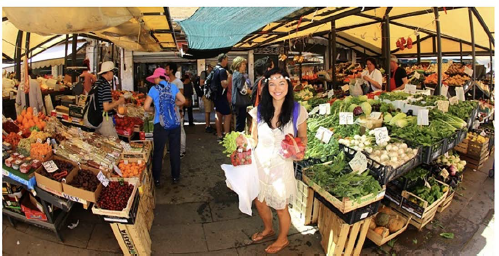
For many of us, food is one of the most intimate ways we experience a place. It tells the story of culture, history, family, and land. After bariatric surgery, it’s natural to wonder whether that part of travel still belongs to you.
I’m here to say—it does.
I had my gastric sleeve surgery in March 2015, not as a cosmetic choice, but as a necessity.
Kidney failure changed the direction of my life, and I knew I wanted more time—time to live, to travel, and to experience the world.
What I didn’t realize then was that travel would eventually teach me a new, more meaningful relationship with food.
Culinary travel after bariatric surgery isn’t about giving something up. It’s about learning how to savor differently.
A New Definition of Culinary Travel
Before surgery, food was often about portions and indulgence. After surgery, it became about:
- Flavor over volume
- Presence over plates
- Experience over expectation
One bite of something extraordinary—a handmade pastry, a regional sauce simmered for hours, a sip of local wine or tea—can carry more memory than an entire meal ever did.
Practical Ways to Enjoy Food While Traveling
Choose Intention Over Abundance
Seek out foods that reflect the soul of a place. Locally sourced dishes, traditional recipes, and small-batch specialties offer depth without excess.
Share Without Hesitation
Sharing plates isn’t a workaround—it’s a gift. It allows you to explore flavors freely while honoring your body’s limits. In many cultures, sharing is the norm.
Start With What Nourishes You
Protein still matters, especially while traveling. Starting meals with this mindset lets you enjoy a few thoughtful bites of regional dishes without discomfort.
Eat Slowly—and Let That Be Enough
Travel already asks us to slow down. Eating post-surgery naturally aligns with that rhythm. Let meals unfold without rush. Taste becomes richer with time.
Release the Pressure to “Finish”
Not every meal needs to be completed. Leftovers, half-portions, or simply stopping early are not failures—they are self-respect.
Dining Out with Confidence
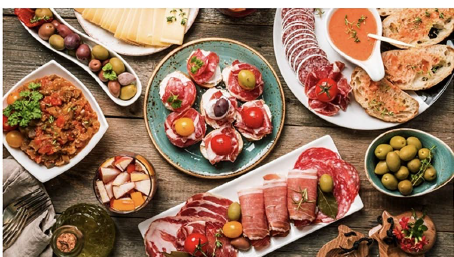
- Look for small plates, tasting menus, tapas, or mezze
- Don’t wait to ask for a takeaway container
- Choose restaurants for atmosphere, not portion size
- Remember: explanations are optional
Your journey does not require justification.
Beyond the Plate: Cultural Food Experiences
Some of the most meaningful culinary moments don’t require eating much at all:
- Wandering local food markets
- Watching bread being baked or pasta being rolled by hand
- Participating in tea or wine tastings
- Observing traditional cooking methods
You are still immersed. You are still part of the story.
What Travel Taught Me About Food—and Life
Choosing surgery gave me the chance to keep living. Travel taught me how to live well.
When food is no longer about quantity, it becomes about gratitude. When travel is no longer rushed, it becomes transformational. One bite, one moment, one place at a time—this is how I now experience the world.
And I wouldn’t trade that perspective for anything.
✅ #1 Bariatric-Friendly Travel Food Checklist
Before You Go
- ✔ Research local dishes (know what you want to taste, not eat)
- ✔ Pack protein snacks for travel days
- ✔ Bring digestive aids or supplements you rely on
- ✔ Release expectations about portion size
While Dining
- ✔ Start with protein when available
- ✔ Share meals whenever possible
- ✔ Order small plates or appetizers
- ✔ Ask for a takeaway container early
- ✔ Eat slowly and mindfully. Stop when satisfied
Mindset Shifts
- ✔ One bite is enough
- ✔ Experience matters more than fullness
- ✔ Culture isn’t measured in calories
- ✔ Your body deserves kindness—especially while traveling


Don’t be shy–say hi in the comments